

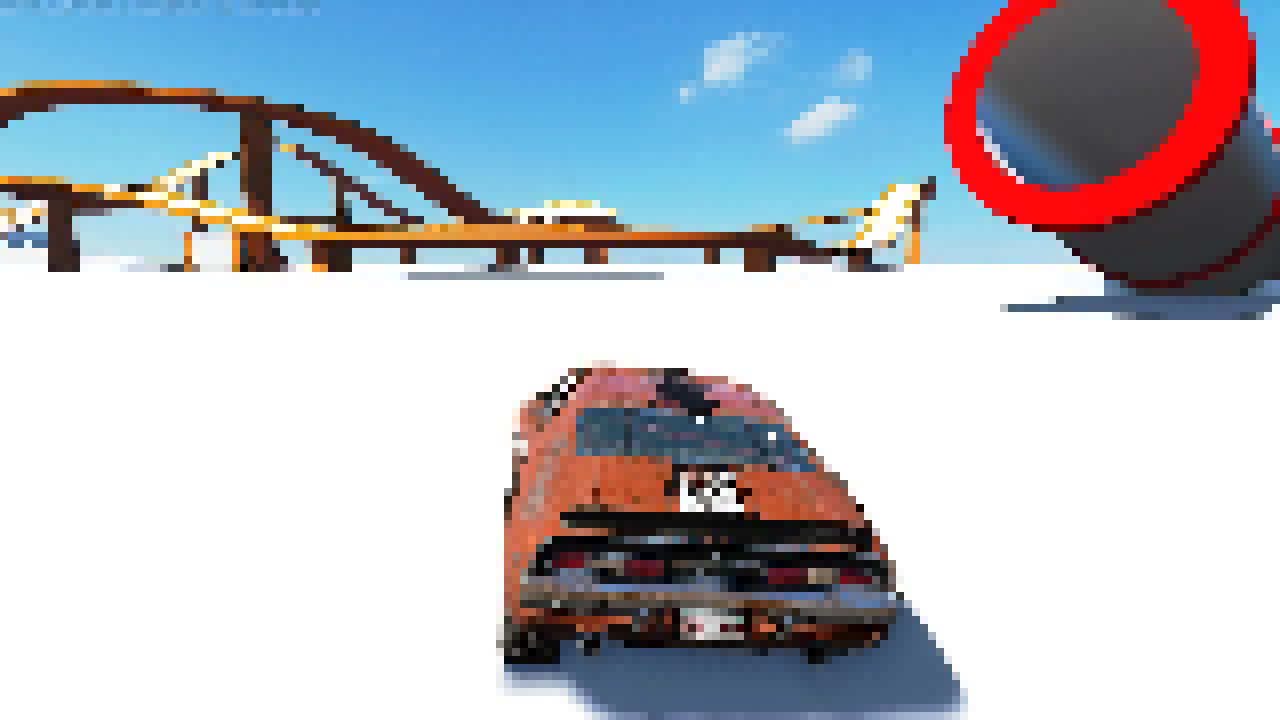
When Next Car Game first hit the scene, it was more than just another racing title. Marketed as a spiritual successor to the beloved FlatOut series, it promised something fans had been craving: pure, chaotic fun built on a foundation of realistic physics. Over the years, what started as a Kickstarter-backed project evolved into Wreckfest, a game that not only fulfilled its early promises but also carved out a place as a cult classic in the world of racing and destruction.
The Birth of Next Car Game
To understand Next Car Game, you need to go back to the mid-2000s. Finnish studio Bugbear Entertainment had already gained attention with the FlatOut franchise, which blended traditional racing with wild ragdoll physics and destructive environments. Fans loved the unpredictability and raw energy, but the series hit turbulence when Bugbear lost control of the franchise.
Instead of walking away from the concept, Bugbear doubled down. They wanted to create something new, something that captured the chaotic essence of FlatOut but pushed it further with modern technology. Thus, Next Car Game was born.
A Crowdfunding Experiment
In 2013, Bugbear announced Next Car Game and turned to Kickstarter for funding. The campaign didn’t meet its target, but fan enthusiasm remained strong. Instead of abandoning the project, Bugbear released a pre-alpha “technology demo” that showcased the game’s incredible soft-body physics engine. Players could crash, smash, and bend cars in ways that felt unprecedented for a racing title.
This early demo not only reassured fans but also helped Bugbear raise enough funds through direct sales to continue development.
From Tech Demo to Full Game
The backbone of Next Car Game was its physics system. Unlike many racing titles where car damage was cosmetic, here vehicles twisted, crumpled, and broke apart realistically. This meant that strategy wasn’t just about speed but also about survival. Aggressive driving could leave your car battered and nearly undrivable before the finish line.
The Renaming to Wreckfest
As development progressed, Bugbear rebranded Next Car Game to Wreckfest. The new name captured the spirit of the gameplay: a festival of wrecks, crashes, and chaos. Early Access players got to test demolition derby arenas, figure-eight tracks, and traditional circuits filled with hazards. The renaming marked a turning point, transforming the game from a tech experiment into a fleshed-out product.
The Long Road of Development
- Early adopters of the pre-alpha demo gave valuable feedback that influenced development.
- Bugbear released regular updates with new content, mechanical tweaks, and visual polish.
- Progress was sometimes slow, but consistent improvements kept fans invested.
Overcoming Challenges
The final launch didn’t come without its share of challenges:
- Development lasted several years, raising concerns the project might be abandoned.
- Bugbear’s small team struggled with both technical limitations and financial strain.
- Persistence paid off when Wreckfest officially launched in June 2018 on PC, followed by console versions in 2019.
Wreckfest Becomes a Cult Classic
What sets Wreckfest apart is its hybrid approach. It’s not a pure simulation racer like Gran Turismo, nor is it purely arcade like Burnout. Instead, it strikes a balance, blending realistic driving physics with chaotic, unpredictable destruction. This combination appeals to both hardcore racing fans and casual players looking for over-the-top fun.
A Nostalgic but Fresh Experience
For fans of the FlatOut series, Wreckfest felt like coming home. It captured the anarchic energy of Bugbear’s earlier work but refined it for modern audiences. From lawnmower derbies to massive pileups on figure-eight tracks, it delivered the kind of “only in this game” moments that keep players coming back.
Growing Popularity and Support
Since its release, Wreckfest has continued to receive updates, DLC packs, and console optimizations. The game has grown steadily, gaining recognition among racing enthusiasts and streamers who showcase its chaotic fun. While it may not have the mainstream recognition of franchises like Need for Speed, it has secured its place as a favorite.
Legacy and Future
Wreckfest proved that there’s a dedicated audience for physics-driven destruction racing. Its success has inspired other indie studios to experiment with similar ideas, though few have matched Bugbear’s execution.
What’s Next for Bugbear?
Fans continue to speculate about the future of the franchise. Will there be a Wreckfest 2? Could Bugbear return to new forms of destruction-driven gameplay? While nothing official has been announced, the enduring popularity of Wreckfest suggests that Bugbear’s unique brand of racing chaos isn’t going anywhere.
Final Thoughts
The story of Next Car Game is one of persistence, innovation, and fan dedication. From its uncertain beginnings as a crowd funded experiment to its rebirth as Wreckfest, the game has grown into a cult classic that blends realism with unfiltered fun.
For players, it’s not just about winning a race, it’s about surviving the carnage, laughing at the chaos, and remembering why smashing cars has never gone out of style.